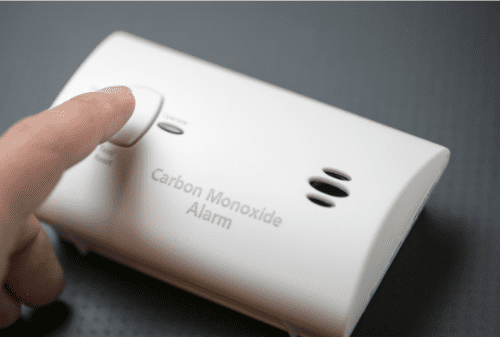
Whether you own your home or rent, there is an important safety update coming into effect in Ontario. Beginning January 1, 2026, changes to the Ontario Fire Code will expand where carbon monoxide (CO) alarms are required in residential properties.
Carbon monoxide is often referred to as the silent killer because it is colourless, odourless, and tasteless. Without a working alarm, it can be impossible to detect. These Fire Code updates are designed to improve early detection and help keep people safe in their homes.
What Is Changing in the New Year?
Under the updated Ontario Fire Code, any residential property that has:
- A fuel burning appliance such as a furnace, water heater, gas stove, wood stove, or fireplace
- An attached garage
- Or heating supplied by a fuel burning appliance located outside the main living space
will be required to have CO alarms installed in more locations than before.
These regulations apply to single family homes, rental properties, condominiums, apartments, and other multi unit residential buildings.
CO Alarms on Every Storey of the Home
Previously, CO alarms were required near sleeping areas in homes with fuel burning appliances or attached garages. As of 2026, a working CO alarm will also be required on every level of the home, even if there are no bedrooms on that floor.
For example, if a home has a basement, main floor, and second floor, each level must be equipped with a CO alarm.
CO Alarms Near Sleeping Areas
This requirement remains in place. CO alarms must continue to be installed adjacent to every sleeping area within a residential unit.
Additional Requirements for Multi Unit Residential Buildings
The updated Fire Code also expands requirements for condominiums, apartments, and other multi unit residential buildings. This includes units located near service rooms, parking garages, or shared fuel burning equipment.
What This Means for Renters and Property Owners
For renters, this update reinforces the importance of having properly installed and functioning CO alarms in their unit.
For property owners and landlords, it is their responsibility to ensure residential properties comply with Fire Code requirements, including the installation and maintenance of CO alarms.
If you rent and have questions about CO alarms in your unit, starting a conversation with your landlord can help clarify what is already in place.
Why These Changes Matter
Carbon monoxide can build up quickly when fuel burning appliances do not operate properly. Early symptoms of exposure can include headaches, nausea, dizziness, and confusion. In severe cases, carbon monoxide poisoning can be fatal.
By expanding where alarms are required, these updates add another layer of protection and improve the chances of detecting an issue early.
What You Can Do Now
While the regulation comes into effect in the new year, there are steps you can take now:
- Confirm CO alarms are installed near sleeping areas and on every level of the home
- Replace alarms that are no longer working or have reached the end of their lifespan
- Test alarms regularly and replace batteries as needed
- Renters should notify their landlord if alarms are missing or not functioning
Final Thought
These Fire Code changes apply to everyone, whether you own or rent. Carbon monoxide alarms play a critical role in home safety, and the updated requirements help ensure more comprehensive protection in residential properties across Ontario.
Understanding the changes now can help you feel confident and prepared as the new regulations come into effect in 2026.